Academic Life:
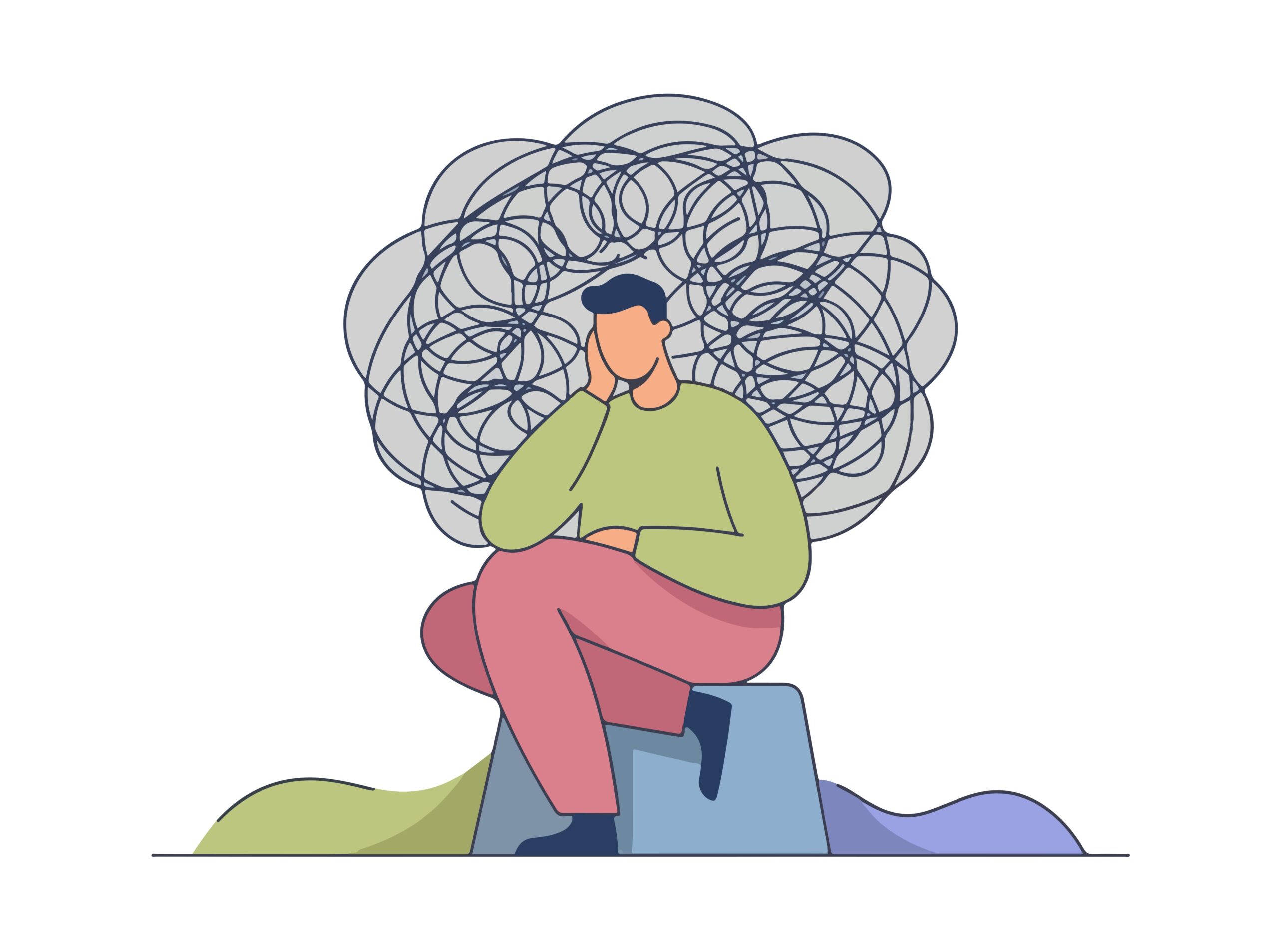
Most kids would agree they don’t like school. It’s a typical stereotype that children, especially high schoolers, feel upset going to school. But why is it so? How does school affect mental health? One of the major stressors for students is exams and tests; students often feel the need to be the best or to be perfect in their classes. Similarly, the amount of homework and tests that are given to students frequently causes them to be burnt out and overwhelmed. A Stanford study done by Denise Pope found that “56 percent of the students considered homework a primary source of stress, according to the survey data. Forty-three percent viewed tests as a primary stressor, while 33 percent put the pressure to get good grades in that category. Less than 1 percent of the students said homework was not a stressor.” Most students agree that, in general, trying to be academically perfect is the main cause for pressure. If there is too much work for them to do, students may lose time for extracurricular activities or for their social life. Social life is important for students but if they become picked on during school.
Bullying:
Another issue that plays a role on students’ mental health is the social aspects of school such as bullying. According to the National Bullying Center, “One out of every five (19.2%) students report being bullied.” Bullying is fairly common and some of it does not even get the attention of adults in schools. Bullying causes many negative effects for students: emotional distress, physical harm, and suicidal thoughts in students. As a result, students who experience bullying have increased risks of gaining mental health issues and becoming less academically prepared. Bullying not only affects victims, but also the bullies themselves. Students who are bullied and later become bullies have a higher chance of developing mental health and behavioral problems rather than respectively being a bully or a victim of bullies. This overall creates an environment that feels unsafe for other students—they may not feel comfortable in school or even quit school due to bullying.
Sleep:
All humans need sleep, but high school students typically don’t get the amount of sleep that is recommended for their development. This is mainly due to earlier starting times in schools. Research has shown that having earlier starting times have negatively impacted students’ mental and physical health. According to a URMC study, “About 90% of high-school-aged adolescents get insufficient sleep on school nights, or barely meet the required amount of sleep (8–10 hours) needed for healthy functioning.” Poor sleep can cause a heightened risk for anxiety or depression, worse academic performance, mood swings, and an increased risk of getting into physically dangerous situations such as car crashes or getting a sports injury. The lack of sleep causes students to perform worse which may cause low confidence in students.
Extracurriculars:
Extracurriculars like clubs or sports can create a positive environment for students. When kids find something they can enjoy in school, it gives them something to look forward to. It also helps create new friendships and creates a stronger sense of community for students. Extracurricular activities have been seen to positively affect students’ grades and help give students life lessons such as perseverance and how to work well on a team. Extracurriculars also commonly have positive effects on student’s futures. According to a 2023 study by Wilson College, “students who participate in extracurricular activities for two days or more each week are 18% less likely to use alcohol, 39% less likely to smoke marijuana, and 28% less likely to miss school without reason.” All these numbers add up to a better life for the students in the future. Once students are given something fun to look forward to in school the more positivity thrives in the students.
School is important because it helps children learn and grow to become better people however it is important to see all the effects on mental health it can cause for all students across the country. To go back to the main question, school affects students’ mental health multiple different ways. There is no just one reason to why, there is always more to play at.






Comments are closed.