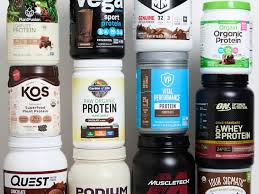
Protein powders have become a staple for athletes, fitness enthusiasts, busy professionals, and anyone looking to boost their daily protein intake. Whether you’re mixing up a post-workout shake or adding a scoop to your morning smoothie, these supplements promise convenience and support for muscle growth, recovery, and overall wellness. But like any tool in your nutrition arsenal, protein powders come with both impressive benefits and important limitations. Understanding the merits and drawbacks can help you decide if they’re right for you, and which ones to reach for. Let’s break it down.
- The Merits: Convenience and Performance Support
One of the biggest advantages of protein powders is their sheer convenience. In today’s fast-paced world, it’s not always easy to sit down to a full meal packed with high-quality protein. A quick shake can deliver 20–30 grams of protein in seconds, making it ideal for post-workout recovery, on-the-go breakfasts, or between-meal snacks.
Whey protein, in particular, shines for muscle building and repair thanks to its rapid absorption and rich content of essential amino acids like leucine. Studies and experts note it can enhance athletic performance, support muscle growth when paired with resistance training, and even help prevent muscle loss in older adults. Casein offers a slower-digesting option, great for sustained release overnight. Plant-based powders (pea, rice, hemp blends) provide accessible options for vegans and those with dairy sensitivities while still aiding satiety and weight management.
Many people also use them for weight management, protein promotes fullness, helping curb cravings without excessive calories when chosen wisely.
- Different Types and Popular Brands
Not all protein powders are created equal. Here’s a quick look at common types and standout brands:
- Whey Protein: Fast-absorbing, complete protein. Optimum Nutrition Gold Standard Whey is a perennial favorite: affordable, great-tasting (with many flavors), and reliable with around 24g protein per serving. Transparent Labs 100% Grass-Fed Whey Isolate and Dymatize ISO100 earn high marks for purity, minimal additives, and smooth mixability.
- Casein: Slower release for overnight recovery. Optimum Nutrition also offers a solid casein option that helps with satiety.
- Plant-Based: Ideal for dairy-free diets. Orgain, Garden of Life, and Ora Organic stand out for organic ingredients, added superfoods, and good taste without heavy processing. Blends often combine pea, rice, and hemp for a more complete amino acid profile.
Look for third-party tested brands (NSF, Informed-Sport, or USP) to ensure quality and purity, especially if you’re an athlete.
- Fuel Your Body Right, But Watch the Additives
Protein powders can fit nicely into a balanced diet, but read labels carefully. Opt for options with minimal added sugars, artificial sweeteners, or fillers. Pair your shake with real foods, like fruit, nut butter, or oats, for better nutrition and sustained energy. While convenient, they shouldn’t replace whole-food proteins (chicken, eggs, Greek yogurt, beans, etc.) entirely, as whole foods deliver additional vitamins, minerals, and fiber.
- Prioritize Quality and Listen to Your Body
Recovery matters with any supplement routine. Start with moderate servings (one scoop most days) and stay hydrated. If you’re hitting the gym hard, protein powder can support your goals, but rest, sleep, and varied training are still essential. Some people experience digestive comfort from isolates or plant-based options over concentrates.
- Wear the Right “Gear”: Choose Wisely and Protect Your Health
Protect yourself by selecting reputable brands and checking for contaminants. High-quality powders undergo testing, but cheaper or poorly regulated ones may contain heavy metals, excess sodium, or undeclared ingredients. Invest in transparent labels and avoid mega-dosing. Proper “dosing” (typically 20–40g post-workout or as needed) and cycling with whole foods keeps things sustainable.
- Mind the Bigger Picture: Mental and Long-Term Wellness
Supplements work best as part of a holistic approach. Stress, poor sleep, or over-reliance on powders can undermine results. Focus on enjoying your nutrition journey, whether it’s a delicious shake or a home-cooked meal. When you feel good and see progress, you’re more likely to stay consistent.
The Bottom Line
Protein powders offer real merits: unmatched convenience, targeted support for muscle growth and recovery, and flexibility for various diets and lifestyles. Brands like Optimum Nutrition, Transparent Labs, and quality plant-based options make it easier than ever to hit your protein targets.
However, limitations exist, they’re not magic, can be expensive, may cause digestive issues for some, and often lack the full nutritional profile of whole foods. Overuse or poor-quality products carry risks like added sugars, contaminants, or unnecessary calories.
Used thoughtfully (as a supplement, not a staple) you’ll maximize benefits while minimizing drawbacks. Consult a doctor or dietitian if you have specific health concerns, and always prioritize a varied, whole-foods-first diet. Fuel smart, train hard, and enjoy the process!
Works Cited
“11 Best Protein Powders and How to Choose One.” Healthline, 23 Nov. 2020, www.healthline.com/health/best-protein-powder.
Gelsomin, Emily . “The Scoop on Protein Powder.” Harvard Health Blog, 9 Mar. 2020, www.health.harvard.edu/blog/the-scoop-on-protein-powder-2020030918986.
Gunnars, Kris. “Whey Protein 101: The Ultimate Beginner’s Guide.” Healthline, 2018, www.healthline.com/nutrition/whey-protein-101.
noble.dana. “Ingredients to Look for in a Protein Powder – Mayo Clinic Press.” Mayo Clinic Press, 11 Oct. 2024, mcpress.mayoclinic.org/healthy-aging/ingredients-to-look-for-in-a-protein-powder/.
Solan, Matthew. “Weighing Protein Powders – Harvard Health.” Harvard Health, Feb. 2025, www.health.harvard.edu/diet-and-nutrition/weighing-protein-powders.
“The Hidden Dangers of Protein Powders – Harvard Health.” Harvard Health, Sept. 2018, www.health.harvard.edu/diet-and-nutrition/the-hidden-dangers-of-protein-powders.