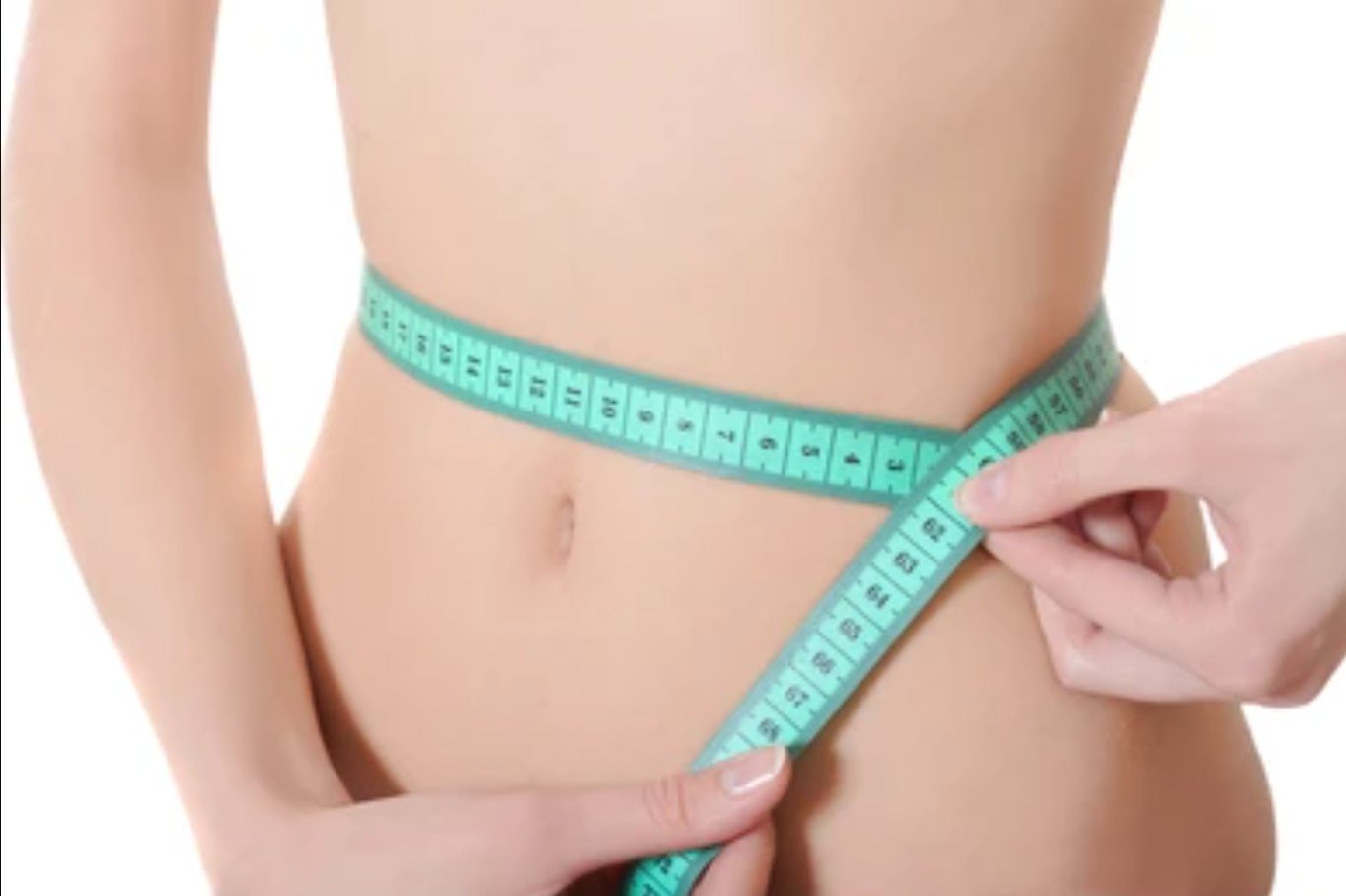
At 16, Morgan deleted all social media platforms. She is a junior in a nationally-ranked high school. She participates in two varsity sports: Field Hockey and Lacrosse. In both sports, she has been on the state-champion team. On top of this, she works out five times a week. Yet, her self-esteem is crippled by her body image, in part because of “What I eat in a day.”
“What I eat in a day,” or WIEIAD, are mini vlogs showcasing the food consumption of what someone, typically an influencer, eats in a single day. The vlogs digitalize beauty, using performative wellness to achieve unrealistic standards. The trend sprouted from TikTok, but has since gained popularity on other social media platforms. Originally starting in 2010, the hashtag, WIEIAD, has accumulated over 13 billion views. The video often starts with a full-body shot of an influencer. Typically, the influencer wears tight clothing, exposing a ‘perfectly toned’ stomach and legs. This opening is not just an image—but acts as a pitch to the viewer. The next image flashes a small breakfast—often two eggs with frozen fruit, perfectly plated on a minimalistic dish. The picture is aesthetic, drawing attention further. The video convinces viewers to eat like this—practically nothing—in order to achieve this ‘perfect’ body. To viewers, this is often the only way to be labeled as beautiful by society, something many strive for.
But the issue is deeper than just one trend; its impacts are real and undeniable. In fact, 32% of individuals who report having an eating disorder follow dietary advice from social media, according to the National Institute of Health. There is a clear positive correlation between social media platforms and increased likelihood of eating disorders. In the United States, 30 million people will have an eating disorder once in their lifetime. That translates to 9% of the entire U.S. population. 85-95% of these people are women, according to the Office on Women’s Health. These social media trends disproportionately affect women.
Further, these body standards are unrealistic, and not attainable from any diet. Studies show that viewers believe 34% of social media videos are real, reported by the National Institute of Health. This proves how convincing online platforms may be. However, despite this low statistic, over ⅓ of media users have spread misinformation without knowing. With a rise in AI and editing tools, it is becoming harder to differentiate between fake and real. Regardless, misinformation continues to shape beauty standards and youth. Teens are more susceptible to change than adults, constantly following the latest fads. With a less developed brain, teens subconsciously compare themselves to fake bodies online. The algorithm sells women shrinking, forwarding the beauty standard.
By the age of 13, 53% of teen girls are unhappy with their bodies. By 17, this number grew to 78%, according to the National Organization for Women. Further, 46% of 9-11 year olds are ‘sometimes’ or ‘very often’ on diets. This is modeled after their families, as 82% are on diets. The body image crisis is extreme, and a major cause for concern.
But the issue is more than just numbers. It is people we know, and people we can help. A real teen, kept anonymous, is one example of the people affected by the trend. She is the epitome of health and fitness, eating balanced meals high in nutrients. On top of this, she maintains a 4.4 GPA in all IB classes. Social media has altered her personal perception, so she decided to delete it. Yet, her self-image remains negatively distorted. She says, “I hate being on [social media], it just makes me feel lazy.” Social media convinces her she is not good enough. To her, beauty is worth more than any A.
However, social media does not just harm women’s body image, but also affects men as well. Instead of vlogs showcasing minimalistic diets, men experience the opposite. Digital beauty is gendered—girls are told to erase themselves, while boys are told to enlarge. Their feeds are filled with high-protein diets to optimize muscle growth. Sam is a high school senior, captivated by aeronautics. He does not play sports, and says, “I look up to people who are strong. I don’t necessarily view others in a negative light, but just differently.” To Sam, the only way he can be respected is by being big and ‘manly.’
He finds himself struggling with his body image. Social media reiterates stereotypical male norms: strength, protector, tall. Sam says he feels “pressure to be strong, I wish I wasn’t a string bean.” Sam feels compelled to work out, being defined by typical gender norms. While he does not watch WIEIAD, social media still impacts his body image negatively.
This mentality erodes their social life, becoming hyper-fixated on their measurements. 49% of people on social media alter their images before uploading their pictures, according to NIH. Olivia Bisset is a local wellness teacher. Wellness is a state education requirement, combining mental and physical education. Students learn about stress management for a semester. Olivia Bisset says, “Often, students feel they must be perfect.” Students feel the need to be a jack of all trades–prettiest, smartest, and skinniest. This negative perception can cause anorexia, a notoriously popular eating disorder.
These two students still feel pressure to change their bodies. The girl’s absence from social media has limited her negative mentality, but her obsession carries on. Despite WIEIAD vlogs not appearing on Sam’s feed, he still feels unsatisfied with his body. The pressure isn’t just online—it’s everywhere. Human’s natural tendency to compare themselves to others suffocates our well-being. In a world where only successes are narrated, struggles are hidden in the dark. She deleted her apps, but the standards stayed. Because the real danger isn’t the posts—it’s the world that taught us to believe them.
Works Cited
Conway, Emma. “‘What I Eat in a Day’ Social Media Trend Presents Harmful Effects.” Minnesota Monthly, 27 Mar. 2023, www.minnesotamonthly.com/general/what-i-eat-in-a-day-social-media-trend-presents-harmful-effects/. Accessed 2 Apr. 2026.
Donald, Brooke. “Stanford Researchers Find Students Have Trouble Judging the Credibility of Information Online.” Stanford Graduate School of Education, 22 Nov. 2016, ed.stanford.edu/news/stanford-researchers-find-students-have-trouble-judging-credibility-information-online. Accessed 2 Apr. 2026.
“Equip.” Equip.health, 31 Oct. 2025, equip.health/articles/food-and-fitness/what-i-eat-in-a-day-videos-eating-disorder-risk. Accessed 2 Apr. 2026.
National Organization for Women. “Get the Facts.” Now.org, National Organization for Women, 2024, now.org/now-foundation/love-your-body/love-your-body-whats-it-all-about/get-the-facts/. Accessed 2 Apr. 2026.
Office on Women’s Health. “Anorexia Nervosa | Office on Women’s Health.” OASH | Office on Women’s Health, 2016, womenshealth.gov/mental-health/mental-health-conditions/eating-disorders/anorexia-nervosa. Accessed 2 Apr. 2026.
Ozimek, Phillip, et al. “How Photo Editing in Social Media Shapes Self-Perceived Attractiveness and Self-Esteem via Self-Objectification and Physical Appearance Comparisons.” BMC Psychology, vol. 11, no. 1, Apr. 2023, https://doi.org/10.1186/s40359-023-01143-0.
Roorda, Bethany A., and Stephanie E. Cassin. “A Review of Food-Related Social Media and Its Relationship to Body Image and Disordered Eating.” Nutrients, vol. 17, no. 2, Jan. 2025, p. 342, https://doi.org/10.3390/nu17020342.
“Social Media and Youth Mental Health: The U.S. Surgeon General’s Advisory.” Hhs.gov, 2 Apr. 2026, www.hhs.gov/sites/default/files/sg-youth-mental-health-social-media-advisory.pdf. Accessed 2 Apr. 2026.




Comments are closed.