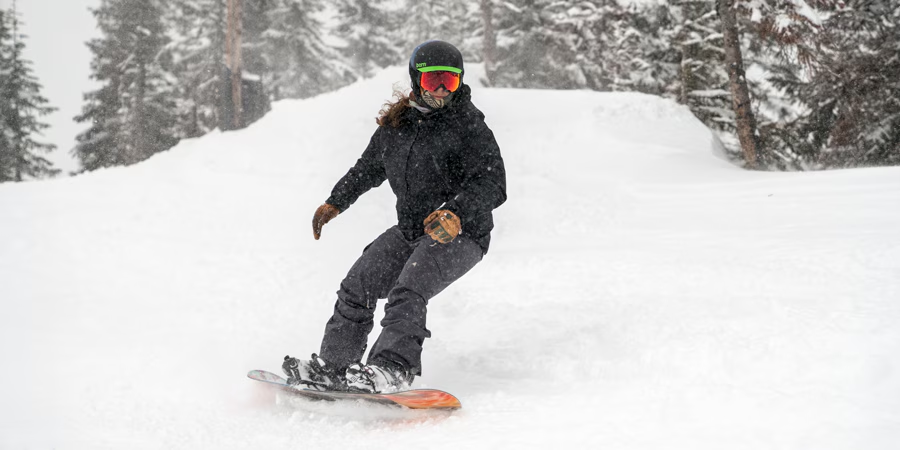
Ski and snowboard season is upon us, and for many, that means hours spent on the slopes, carving through fresh powder and enjoying the winter wonderland. But hitting the mountain isn’t all about adrenaline and fun—if you’re not careful, it can also be tough on your body. Staying healthy during ski and snowboard season is essential not only to avoid injury, but to make the most of every run and enjoy a full, active season. But what exactly does it take to stay healthy on the slopes? How can you prevent injuries, stay energized, and keep your body in top condition throughout the season? Let’s break it down.
1. Get in Shape Before You Hit the Slopes
While it might be tempting to wait until the snow falls, getting in shape before ski and snowboard season can make a world of difference. Skiing and snowboarding are physically demanding activities that require a lot of strength, flexibility, and stamina. According to fitness experts, a balanced training program should focus on leg strength, core stability, and cardiovascular endurance. To improve your leg strength, exercises like squats, lunges, and leg presses can help prepare your quads, hamstrings, and glutes for the forces they’ll endure while turning and landing. Core exercises—think planks, Russian twists, and leg raises—are key to supporting your balance and posture. And, of course, cardio training through activities like running, biking, or stair climbing will build the stamina you need to last all day on the slopes. Starting your fitness routine early will make all the difference when you’re out there on the mountain.
2. Warm Up, Cool Down, and Stretch
Skiing and snowboarding require flexibility and mobility. That’s why warming up is crucial to avoid injury and ensure your body is ready for action. A few minutes of dynamic stretching before you hit the slopes—such as leg swings, lunges, and torso twists—can get your muscles loosened up and your blood flowing. Once you’re done for the day, make sure to cool down and stretch again. Stretching after exercise can help prevent muscle tightness and reduce soreness. You might also want to use a foam roller to work out any knots or tension from your quads, calves, and back. Regular stretching is key to staying limber throughout the season.
3. Hydrate and Fuel Your Body Right
Even though it’s cold, staying hydrated during ski and snowboard season is just as important as it is during the summer. In fact, when you’re out in the cold, you might not even notice how much moisture your body is losing through sweat and breath. Staying hydrated will keep your muscles working at their best and reduce the risk of fatigue and cramping. Fueling your body with the right foods is also essential. Opt for a balanced diet that includes a mix of complex carbs, lean proteins, and healthy fats to keep your energy levels steady. Think oatmeal with almond butter for breakfast, a hearty salad with chicken or beans for lunch, and a protein-packed dinner to help your muscles recover. During the day, healthy snacks like nuts, fruit, and granola bars can help you avoid the sugar crashes that come with sugary treats. If you’re out for several hours on the slopes, don’t forget to pack some snacks to keep your energy up.
4. Prioritize Your Recovery Time
Rest is just as important as exercise. If you’re hitting the slopes every day, you risk overuse injuries like strains, sprains, or muscle fatigue. Listening to your body is essential—take rest days when you need them, especially after long days on the mountain. On your days off, focus on low-impact activities that will promote blood flow and recovery, like swimming, walking, or gentle yoga. Foam rolling, stretching, and even taking a warm bath with Epsom salts can help your muscles recover faster.
5. Wear the Right Gear and Protect Yourself
This one is a no-brainer: wearing the right protective gear is essential to staying safe on the mountain. Helmets are non-negotiable, and if you’re a snowboarder, wrist guards can be a lifesaver. Make sure your boots are comfortable and properly fitted to avoid unnecessary stress on your joints. In addition to protective gear, dressing in layers is key. Make sure you’re wearing moisture-wicking base layers to keep sweat off your skin, and invest in high-quality gloves, socks, and outerwear to protect against the cold. Proper clothing and gear will help keep you safe, dry, and comfortable all day long.
6. Mind Your Mental Health
Skiing and snowboarding require focus and concentration, which means your mental well-being is just as important as your physical health. Stress, anxiety, and fatigue can all negatively affect your performance and decision-making on the slopes. Taking care of your mental health during ski season can be just as important as physical training. Be sure to make time for relaxation and activities that help you unwind. Whether it’s meditation, spending time with friends, or simply enjoying some quiet time, a balanced mind will help you stay focused and safe. And, of course, don’t forget to have fun! Winter sports are about enjoying the outdoors and being active. When you enjoy yourself, you’re more likely to stay engaged and motivated to keep up your fitness and health throughout the season.
The Bottom Line
Skiing and snowboarding are thrilling sports, but they come with a risk of injury and fatigue if we don’t take care of ourselves. From staying fit to recovering properly and protecting your body with the right gear, there’s a lot to think about in order to stay healthy during ski and snowboard season. By preparing your body with strength training, fueling up with healthy foods, and making recovery a priority, you’ll be ready to make the most of the season ahead—without any unnecessary downtime or injuries.
So, hit the slopes with confidence, take care of yourself, and most importantly, have fun out there!
Works Cited
ACE. “Four Conditioning Essentials for Skiing and Snowboarding | ACE Physical Therapy and Sports Medicine Institute.” Ace-Pt.org, 2018, ace-pt.org/four-conditioning-essentials-for-skiing-and-snowboarding/?utm_source=chatgpt.com. Accessed 8 Dec. 2025.
Alaia, Michael J. “Winter Sports Injury Prevention – OrthoInfo – AAOS.” Aaos.org, 2018, orthoinfo.aaos.org/en/staying-healthy/winter-sports-injury-prevention?utm_source=chatgpt.com. Accessed 8 Dec. 2025.
Clinic, Cleveland. “How to Get Yourself in Shape for Ski and Snowboarding Season.” Cleveland Clinic, 19 Nov. 2018, health.clevelandclinic.org/how-to-get-yourself-in-shape-for-ski-and-snowboarding-season?utm_source=chatgpt.com. Accessed 8 Dec. 2025.
“Skiing & Snowboarding Safety | Aspirus Health Care.” Aspirus.org, 2025, www.aspirus.org/skiing-snowboarding-safety?utm_source=chatgpt.com. Accessed 8 Dec. 2025.
“The Medical Minute: 5 Top Tips for Skiing Safely This Winter.” Penn State Health News, 13 Nov. 2025, pennstatehealthnews.org/2025/11/the-medical-minute-5-top-tips-for-skiing-safely-this-winter/?utm_source=chatgpt.com. Accessed 8 Dec. 2025.